
The Birth of Freshwater
First of all, I don’t know what this “birth” in the title is
referring to, there was always freshwater. What the comets
brought down from who– knows– where– in– the– infinite–
cosmos was fresh as a truth brilliantly told, I can tell you
that. The first Earth–covering ocean was—surprise
surprise—also fresh, but then rain mixed with some carbon
dioxide, came down acidic, scoured the rocks—not to
mention all the salt being spewed up from the deep deep—
and hello, the ocean water we know and love. So, if anything,
it was salt water that was born. Step into any of the 250,000
lakes and submerge yourself in nectared comet. Of course,
then we came along, discovered industry, fell in love with
toxicity, built cities that break a lake up into millions of
rivers, beavers on bathsalts. Each washing machine
harnessing the same scouring logic as a stream smoothing
rocks. The water spilled on the kitchen floor after you scrub
the Dutch oven that moments ago held a hearty beef stew
remembers the ancient lake, still feels its pressure. Even us
anthropics are nothing but sentient water. Water with hard–
ons and wet crotches. Water with car keys. Water with
pickaxes.
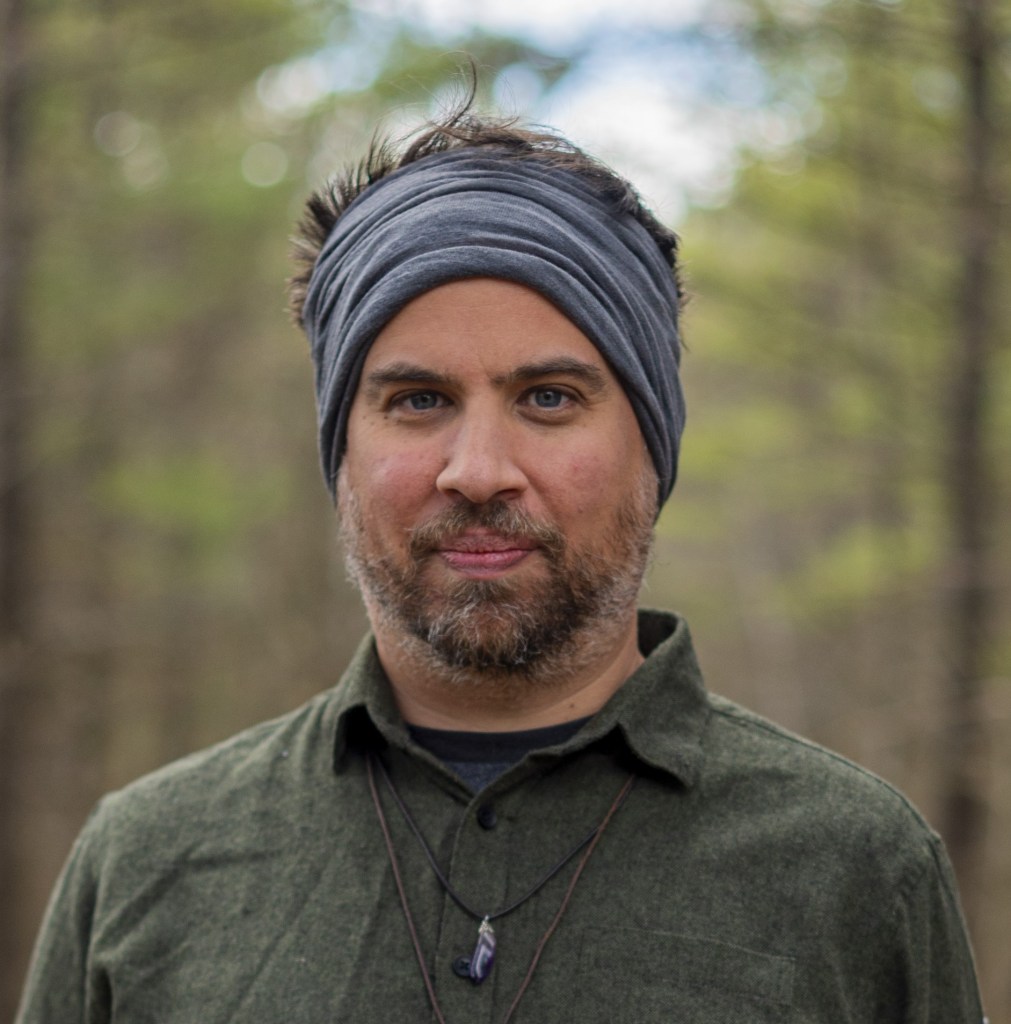
Aaron Kreuter‘s most recent poetry collection, Shifting Baseline Syndrome, was a finalist for the 2022 Governor General’s Award, and was shortlisted for the 2022 Raymond Souster Award and the 2023 Vine Awards for Jewish Literature. His other books include the poetry collection Arguments for Lawn Chairs, the short story collections Rubble Children and You and Me, Belonging, and, from spring 2023, the academic monograph Leaving Other People Alone: Diaspora, Zionism and Palestine in Contemporary Jewish Fiction. Aaron’s first novel, Lake Burntshore, comes out on April 22, from ECW Press. He lives in Toronto, and is an assistant professor at Trent University.
 Beaver Magazine